



GREEN & CLIMATE TECHNOLOGY
Technology to enhance the sustainability
of nature and the environment
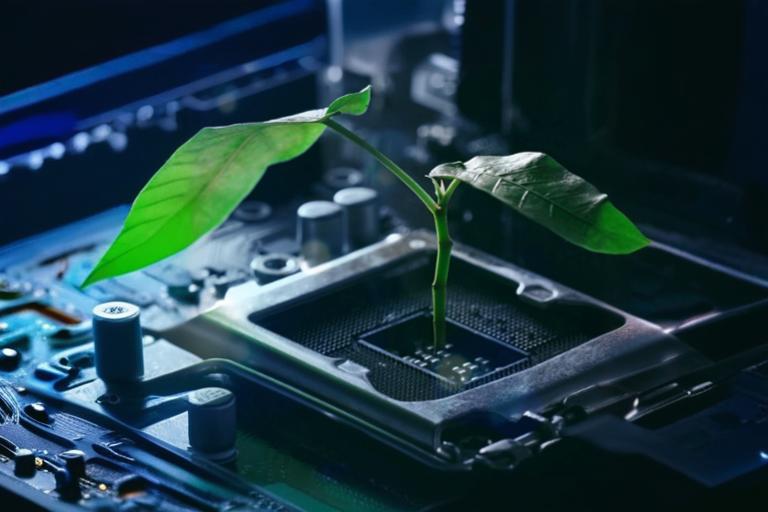
Global warming has become a critical global issue that requires cooperation from all sectors, including civil society, the public sector, and the private sector. The Company recognizes the importance of participating in strategies to address climate crisis and is accelerating the development of environmental and climate technologies. These technologies are applied to enhance knowledge, strengthen social and environmental responsibility, improve efficiency, achieve Carbon Neutrality and Net-Zero Emissions, and ensure sustainable growth.
What is Green & Climate Technology? Its key role is to help reduce negative impacts and create positive environmental outcomes, while driving sustainable development in society. Environmental technologies can be categorized into 5 main groups:
- Energy This group focuses on improving energy quality, promoting renewable energy, reducing greenhouse gas emissions, and enhancing energy and fuel efficiency.
Examples include:- Electrification
- Renewable Energy
- Alternative Mobility
- Hydrogen
- Power grid
- Cloud Computing
- Smart Building
- Agriculture Agricultural technologies aim to reduce emissions from production processes while increasing productivity with minimal greenhouse gas emissions.
- Waste Management Waste poses long-term and severe environmental impacts. This group focuses on waste control, reduction, and efficient sorting and processing.
Examples include:- Waste Sorting Systems
- Refuse Derived Fuel
- Green Materials To address waste at its source, this group focuses on developing environmentally friendly materials, such as biodegradable packaging or materials with lower environmental impact.
- Greenhouse Gas Mitigation Mechanism This group focuses on innovations to directly manage greenhouse gas emissions.
Examples include:- Carbon capture
- Afforestation
- Carbon Reduction Reducing carbon dioxide (CO₂) and other greenhouse gas emissions by improving processes across supply chains or business ecosystems, such as adopting clean technologies or enhancing production efficiency. The goal is to reduce overall emissions from operations and activities.
- Carbon Removal Removing CO₂ from the atmosphere through methods such as reforestation or Carbon Capture and Storage (CCS).
- Mechanical-based Solutions These involve advanced technologies such as Carbon Capture and Storage (CCS), which capture greenhouse gases from industrial processes and store them underground.
- Nature-based Solutions These include restoring natural resources such as forests and removing greenhouse gases and producing oxygen. They support ecosystems by providing habitats and food sources for living organisms, while also contributing to community development.
- It can be seen that reforestation projects, in collaboration with local communities to restore and maintain forest areas, help create complete ecosystems, provide habitats for wildlife, and support local communities. To capture carbon dioxide and mitigate global warming, these efforts also contribute to achieving the Sustainable Development Goals (SDGs).